How to Manage Dog Aggression Safely at Home
Posted by on 2026-02-08
Understanding Dog Aggression
Identifying the Causes of Aggression
Understanding why a dog exhibits aggressive behavior is crucial for addressing the issue effectively. Common triggers include fear, territoriality, possessiveness, and frustration. Each dog's aggression may be rooted in different experiences, requiring careful observation and analysis to identify the underlying cause.
Recognizing the Signs of Aggression
Dogs communicate their intentions through body language and vocalizations. Signs of aggression can include growling, snarling, baring teeth, and lunging. It is important for dog owners to recognize these signals early to prevent escalation and manage the behavior safely.
Seeking Professional Help
Engaging a professional dog trainer can provide valuable guidance in managing aggressive behavior. Trainers use structured sessions to teach obedience, manners, and behavior modification. They can tailor strategies to suit individual dogs and their owners, ensuring a customized approach to address specific issues effectively.
Implementing Behavior Modification Techniques
Behavior modification techniques are essential in managing aggression. Positive reinforcement, balanced training methods, and clicker training can help reshape a dog's behavior over time. Consistency and patience are key, as changes in behavior require ongoing effort and reinforcement.
Creating a Safe Environment
Ensuring a safe environment is vital in managing an aggressive dog. This includes using barriers or gates to separate the dog from potential triggers and supervising interactions with other pets or people. Safety measures help prevent incidents and promote a harmonious living space.
Maintaining Consistent Training
Consistency in training is crucial for long-term success in managing aggression. Regular practice of learned behaviors and consistent reinforcement of positive actions help reinforce desired behavior patterns. Owners should remain committed to training routines to achieve lasting results.
Identifying Triggers and Signals
Understanding Dog Aggression
Dog aggression can be a complex behavior, often resulting from various factors such as fear, dominance, or territorial instincts. Understanding the root cause is essential for effective management. Professional dog trainers can help identify these triggers and develop a tailored approach for each individual dog.
Professional Training and Behavior Modification
Engaging a professional dog trainer can be beneficial for managing aggression. Trainers offer structured sessions that teach obedience and modify behavior through positive reinforcement techniques. These sessions can be crucial for both new puppy owners and those dealing with reactive dogs, ensuring a safer environment at home.
Implementing Safety Measures at Home
Safety is paramount when dealing with aggressive dogs. Owners should implement measures such as secure enclosures and controlled socialization to prevent incidents. Trainers can provide guidance on how to safely introduce dogs to new environments and people, reducing the risk of aggressive reactions.
Continuous Learning and Adaptation
Managing dog aggression is an ongoing process that requires continuous learning and adaptation. Owners are encouraged to stay informed about new training methods and techniques. Online resources, such as training videos and forums, can offer valuable insights and support for those aiming to manage their dog's behavior effectively.
Safety Measures for the Home Environment
Understanding Dog Aggression
Dog aggression can manifest in various forms, including barking, lunging, and biting. It is essential to recognize the triggers that lead to aggressive behavior, such as fear, territorial instincts, or lack of socialization. Understanding these triggers is the first step in managing and mitigating aggressive tendencies in dogs.
Professional Training Solutions
Engaging a professional dog trainer can be a beneficial approach to addressing aggression. Trainers are equipped with the knowledge to implement behavior modification techniques that promote obedience and reduce aggressive incidents. They can tailor training sessions to suit individual dog needs, ensuring a safe and effective learning environment.
Importance of Socialization
Socialization is a critical component in preventing aggression in dogs. Introducing dogs to various environments, people, and other animals at a young age can help them develop confidence and reduce fear-based aggression. Consistent socialization activities can lead to more balanced behavior and a harmonious home atmosphere.
Positive Reinforcement Techniques
Positive reinforcement is a proven method for encouraging desirable behavior in dogs. Rewarding calm and non-aggressive behavior with treats or praise can reinforce positive actions and reduce the likelihood of aggression. This technique fosters a trusting relationship between the dog and its owner, promoting a more peaceful coexistence.
Ensuring a Safe Home Environment
Creating a safe environment is crucial for managing dog aggression. This involves setting clear boundaries and providing adequate space for the dog to retreat when feeling threatened or stressed. Proper management of the home environment can prevent aggressive incidents and ensure the safety of all household members.
Behavioral Training Techniques
Understanding Dog Aggression
Dog aggression can be a challenging issue for many pet owners. It is essential to first identify the triggers, which may include fear, territoriality, or possessiveness. Understanding these factors can help in addressing the root cause of the behavior and implementing effective interventions.
Creating a Safe Environment
Ensuring a safe environment is crucial when managing an aggressive dog at home. This includes removing potential triggers and providing a secure space where the dog feels comfortable. Consistent routines and boundaries can also help reduce anxiety and prevent aggressive incidents.
Professional Training Options
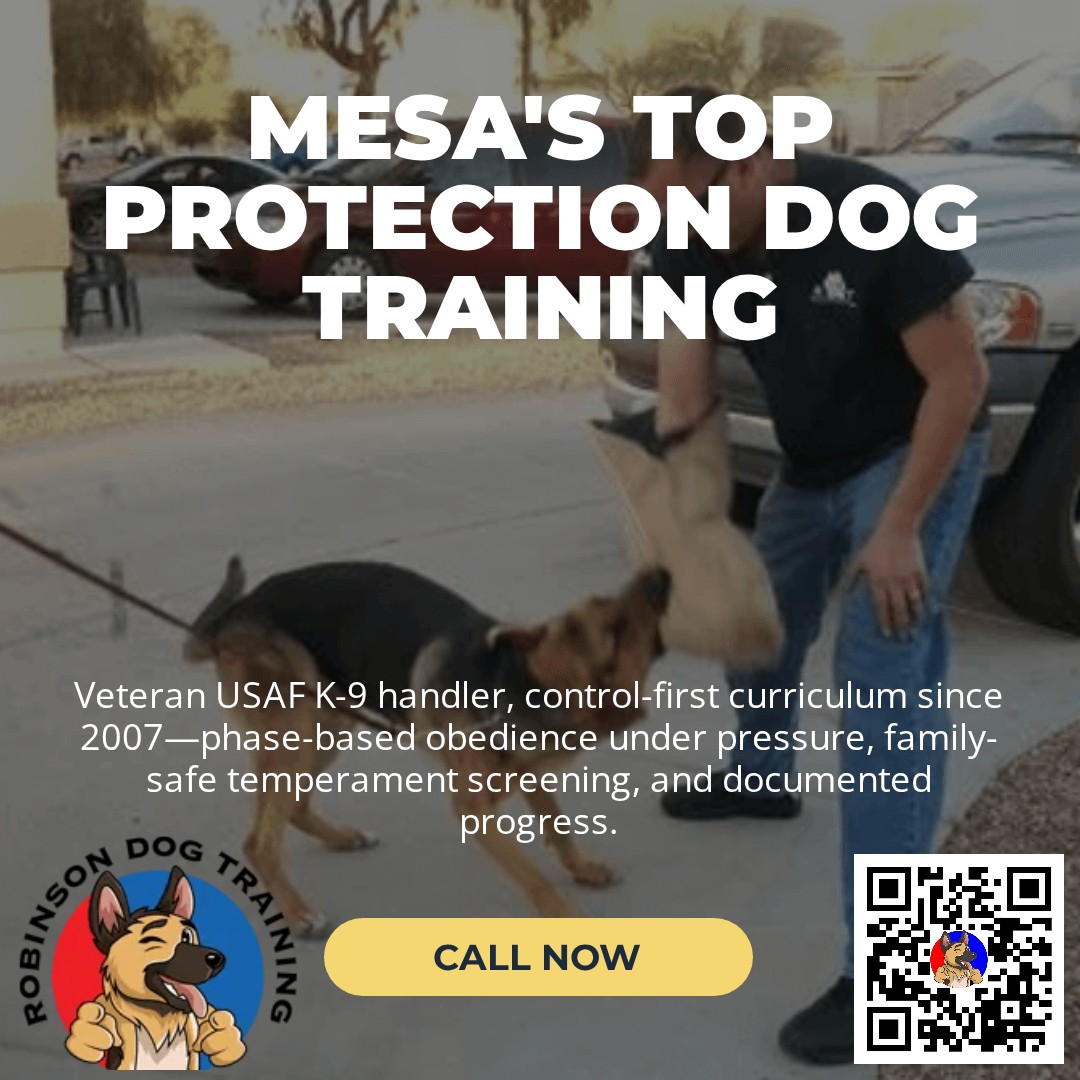
Engaging with a professional dog trainer can be beneficial for managing aggression. Trainers can offer personalized strategies and techniques tailored to the dog’s specific needs. They can also provide guidance on obedience training and behavior modification, which are vital components in reducing aggression.
Positive Reinforcement Techniques
Positive reinforcement is a widely recommended method in dog training, especially for addressing aggression. Rewarding desired behaviors with treats or praise encourages repetition of those behaviors. This approach helps in gradually building a more positive response in situations where the dog previously displayed aggression.
Consistency and Patience
Dealing with dog aggression requires consistency and patience. Training efforts should be regular and persistent to reinforce learning and behavior change. Patience is key, as significant progress may take time, but with dedication, improvement is achievable.
Understanding Professional Support
Seeking professional support provides access to expert knowledge and experience in handling aggressive behaviors. Trainers and behaviorists can offer insights into managing aggression while ensuring the safety of both the dog and family members. They can also assist in developing a comprehensive training plan tailored to the dog’s specific needs and behavior challenges.
When to Consult a Professional Trainer
Understanding Dog Aggression
Aggression in dogs can manifest in various forms, such as barking, growling, or biting. It is essential to identify the root causes, which could range from fear and anxiety to territorial behavior. Understanding the triggers is the first step in managing and mitigating aggressive tendencies to ensure a safe environment for both the dog and its human companions.
Creating a Safe Environment
Safety should be a priority when managing an aggressive dog. This includes ensuring that the dog has a designated space where it feels secure and cannot harm others. Implementing barriers or using leashes can help control the dog's movements, reducing the risk of aggressive incidents.
Behavior Modification Techniques
Behavior modification is a critical aspect of managing dog aggression. Techniques such as positive reinforcement, where desired behaviors are rewarded, can encourage a dog to act calmly. Consistent training sessions and patience are vital for successful behavior modification.
Importance of Socialization
Proper socialization from a young age can significantly reduce the likelihood of aggression. Exposing dogs to various environments, people, and other animals helps them become well-adjusted and less prone to aggressive reactions. Socialization should be a gradual process, ensuring that the dog remains comfortable throughout.
Training and Professional Guidance
While some dog owners may manage aggression independently, professional trainers can offer valuable expertise. Trainers provide structured programs tailored to individual dogs' needs, helping owners implement effective strategies for behavior modification. Professional guidance can be particularly beneficial for busy individuals or those with reactive dogs.
Monitoring and Continuous Assessment
Ongoing monitoring of a dog’s behavior is crucial to managing aggression. Owners should regularly assess any changes in their dog’s behavior and adapt their management strategies accordingly. Keeping a log of incidents and progress can help identify patterns and inform future training approaches.
Creating a Positive Reinforcement Plan
Understanding Dog Aggression
Dog aggression can manifest in various forms, including growling, snapping, and biting. It is essential to identify the root causes, which can range from fear and anxiety to territorial behavior. Understanding these triggers is the first step in addressing the issue effectively and ensuring safety at home.
Implementing Safety Measures
Safety should be the primary concern when managing an aggressive dog. This includes setting up controlled environments where the dog is less likely to encounter stressors that may trigger aggression. Utilizing tools such as muzzles and baby gates can provide additional safety while working on behavior modification.
Seeking Professional Help
Collaborating with a professional dog trainer can be invaluable in managing aggression. Trainers can offer personalized strategies and techniques tailored to the specific needs of the dog and its owner. Dog trainers often work with new puppy owners, busy professionals, and reactive-dog owners to teach obedience and behavior modification through structured sessions.
Consistency and Patience
Consistency in training and interactions is key to managing dog aggression effectively. Owners should maintain a calm demeanor and reinforce positive behaviors consistently. Patience is crucial, as behavior modification can take time. Progress may be gradual, but with persistent effort, significant improvements can be achieved.
The Role of Positive Reinforcement
Positive reinforcement is a powerful tool in modifying aggressive behavior. Rewarding desired behaviors with treats, praise, or play can encourage dogs to repeat these actions. This approach not only helps reduce aggression but also strengthens the bond between the dog and its owner, promoting a harmonious living environment.
Monitoring and Adjusting Strategies
Understanding Dog Aggression
Dog aggression can manifest in various forms, including fear-based, territorial, or protective behaviors. Recognizing the underlying cause of aggression is essential in managing it effectively. Professional dog trainers often assess the dog's environment and interactions to identify triggers and develop a targeted approach.
Training Techniques for Aggression Management
Implementing structured training sessions is a proven method to manage aggression in dogs. Techniques such as positive reinforcement and behavior modification are frequently employed to encourage desired behaviors. Trainers work closely with dog owners to ensure consistency and effectiveness in training.
Importance of Professional Guidance
While some dog owners may attempt to address aggression on their own, professional guidance is often recommended. Trainers bring expertise and experience in handling various types of aggression, providing tailored strategies that align with the dog's specific needs. This professional support can significantly enhance the safety and harmony within the household.